Map breakfast arrivals before counting machines
Separate occupied rooms, guests per room, breakfast participation and coffee participation, then check assumptions against recent trading. Business guests, families and groups may arrive differently. Record arrivals in 15-minute intervals and whether coffee is collected on entry, after food or before departure.
Count refills, takeaway drinks and conference use separately. A meeting break may coincide with the breakfast peak when equipment is shared. Averaging total drinks across opening hours hides concentrated demand: long idle periods do not prevent a ten-minute queue.
Select the service method before the configuration
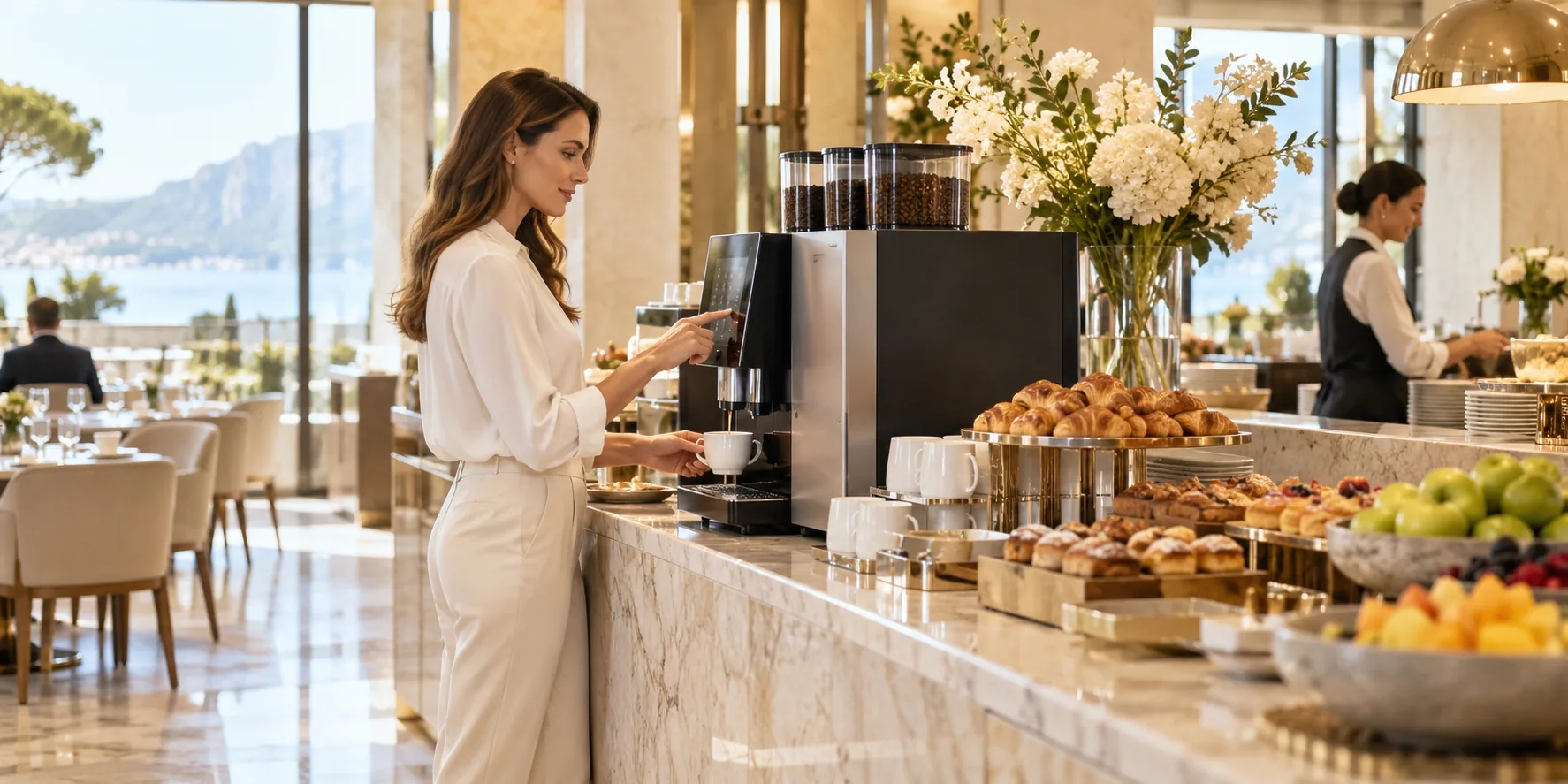
Self-service requires unfamiliar guests to understand the menu, place cups and move away promptly. Staffed service can support explanation and customisation, but staffing, milk preparation and handover must be tested together. Where black coffee dominates a peak, assess a parallel batch-brew route if it fits guest expectations.
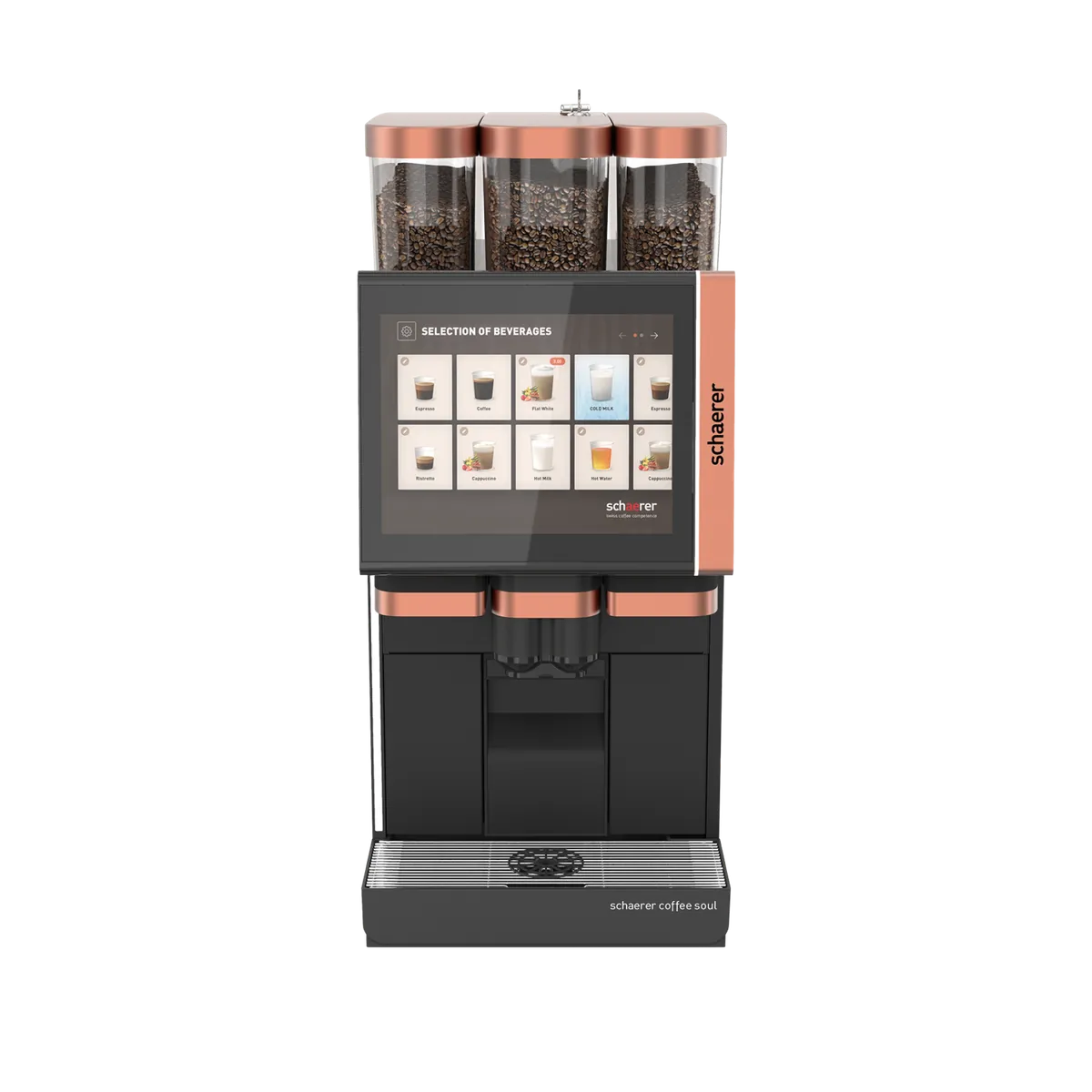
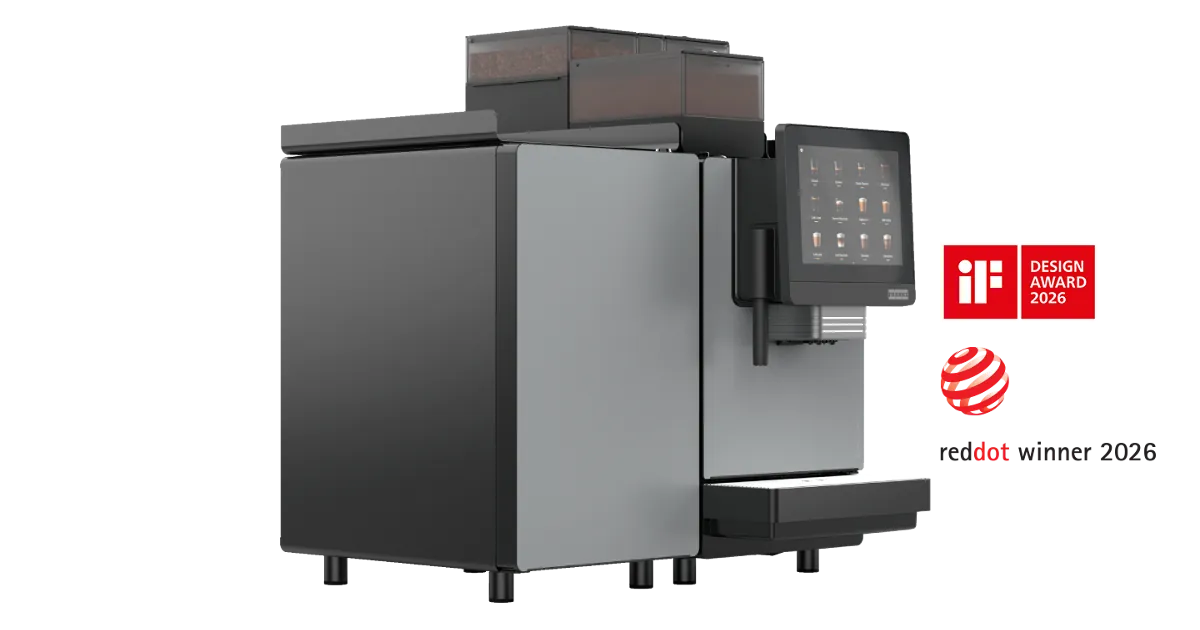
Schaerer Coffee Soul technical information distinguishes guest/staff modes and optional equipment; check the delivered interface and options. FETCO’s catalogue illustrates batch-brew alternatives, not a universal holding time or guest capacity. Confirm holding and replacement procedures for the chosen equipment and your sensory acceptance process.
Worked example: convert 120 rooms into an order script
These are invented assumptions, not observed hotel or manufacturer results: 120 rooms × 75% occupancy × two guests × 80% breakfast participation = 144 breakfast guests. At 70% coffee participation and 1.2 drinks each, demand is approximately 121 drinks. This planning total cannot establish that one particular machine will suffice.
Assume 42 drinks in the busiest 15 minutes: 28 black and 14 milk coffees. Test both all-drinks-made-to-order and a separate black-coffee route. Time each request from joining the queue to collection, including refills, unfamiliar users and one replenishment. Re-run the scenario when attendance or preferences change.
| Assumption | Calculation or input | Use |
|---|---|---|
| Breakfast guests | 120 × 75% × 2 × 80% = 144 | Service scale |
| Coffee demand | 144 × 70% × 1.2 ≈ 121 drinks | Ingredients and daily planning only |
| 15-minute peak | 28 black + 14 milk = 42 drinks | Timestamped queue trial |
| Alternatives | All made to order / separate black coffee | Quality, waits, staff and waste |
Separate the guest queue from replenishment access
Mark cups, menu, dispensing, additions, returns and staff access on a plan. A guest adding sugar at the dispenser prevents the next cup from being placed; staff carrying milk through the queue create another conflict. Try layout changes before increasing machine count.
Rehearse cooler opening, bean filling, grounds removal and waste handling with real accessories. Ask the supplier and site engineer to check configuration-specific drawings against actual dimensions. Test reach, prompts and the position of human assistance for wheelchair users, families and guests unfamiliar with the language.
Establish opening, peak and closing routines
Separate pre-service checks, peak inspections, shift handover and closing care. Use the forecast to prepare beans, milk, cups and filters, then adjust from leftovers. Do not stock excessive low-turnover ingredients simply to avoid a refill. Record stock locations and the person responsible for each intervention.
Automatic programs do not manage the cooler, cup area or external accessories. Check the exact manual for component care, unavailable periods and supply requirements. Train breakfast and relief staff, not only the buyer. For batch coffee, log start time, served quantity and leftovers, and agree a hotel-specific replacement and taste-check routine.
Test backup service, not just the number of machines
Rehearse a machine becoming unavailable and identify the drinks the remaining service can supply. A second unit sharing water, power, cooling or an operator may not protect against those common failures. A validated batch route or temporary menu can be a backup only if containers, ingredients, staff and guest communication are ready.
Obtain address-specific coverage for breakfast hours and distinguish acknowledgement, attendance and restoration. Confirm weekend support, parts delays and the actual loan-machine configuration and connections. Rather than inventing a financial loss, specify who informs the restaurant, who authorises a menu change and when the issue is escalated.
Accept the service using recorded trials
Compare longest waits, unfinished orders, staff interventions, replenishment interruptions and guest errors, not only average speed. Keep recipes, cups and ingredients consistent for sensory checks; separately supplied black coffee also needs acceptance. Machine quantity, menu and staffing must pass together.
Avoid equating room count with daily machine ratings, two spouts with arbitrary simultaneous beverages, or breakfast demand with first cups only. Retain the order script, accessory list, care assignments and backup procedure at handover. Review operational records and identify the cause of queues before purchasing more equipment.
Take these questions to a supplier
- What are the busiest 15-minute orders for peak season, groups and overlapping conferences?
- Are the guest interface, milk system, boiler options and cooler identical in the demonstration and quotation?
- How do self-service, staffed service and separate black coffee handle the same script?
- Can the real breakfast and relief staff perform replenishment and cleaning?
- What remains available after a machine or shared utility fails, and who activates that route?
Sources & scope
Guest/staff modes and optional equipment are distinct configurations; supports asking which configuration is supplied, not the article’s hypothetical queue outcomes.
Checked Oct 08, 2026Official batch-brewer and serving-system examples; does not establish a universal holding time or a hotel-specific production rate.
Checked Oct 08, 2026